Immortals, 300-style vs Persian Wars-style
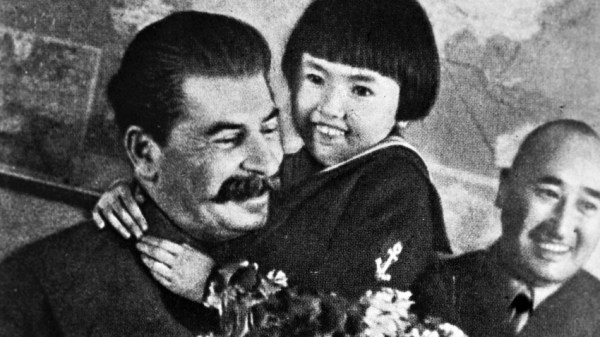
10 — Stalin’s propaganda machine
Study Overview
- The state of the USSR in 1924: the power struggle after Lenin’s death, and Stalin’s victory
- Economic policies: collectivisation and the Five Year Plans
- State control: the purges and the cult of personality
- Daily life in Stalin’s USSR
- The Soviet experience of WW2, and how it shaped the USSR after the war
–
Stalin’s Propaganda Machine
In this unit
- The reasons for state-controlled thought in the USSR
- The methods and results of state-controlled thought in the USSR
09 — Stalin’s political policies
Study Overview
- The state of the USSR in 1924: the power struggle after Lenin’s death, and Stalin’s victory
- Economic policies: collectivisation and the Five Year Plans
- State control: the purges and the cult of personality
- Daily life in Stalin’s USSR
- The Soviet experience of WW2, and how it shaped the USSR after the war
–
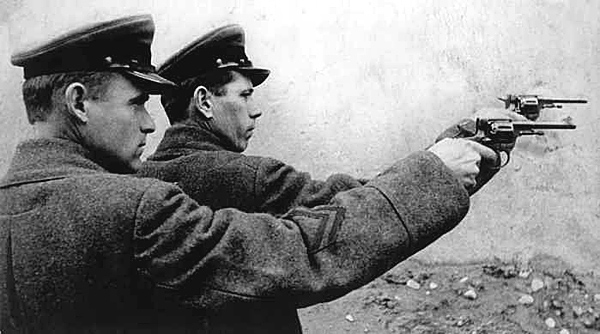
The Purges and Political Control
In this unit
- Red Tsar (The reasons for the purges)
- Key features of the purges
- Results of the purges
08 — Stalin’s economic policies pt2

Study Overview
- The state of the USSR in 1924: the power struggle after Lenin’s death, and Stalin’s victory
- Economic policies: collectivisation and the Five Year Plans
- State control: the purges and the cult of personality
- Daily life in Stalin’s USSR
- The Soviet experience of WW2, and how it shaped the USSR after the war
–
Agricultural Collectivisation
In this unit
- The reasons for pursuing collectivisation
- Features of collectivisation
- Assessing the successes and failures of collectivisation
07 — Stalin’s economic policies pt 1
Study Overview
- The state of the USSR in 1924: the power struggle after Lenin’s death, and Stalin’s victory
- Economic policies: collectivisation and the Five Year Plans
- State control: the purges and the cult of personality
- Daily life in Stalin’s USSR
- The Soviet experience of WW2, and how it shaped the USSR after the war
–
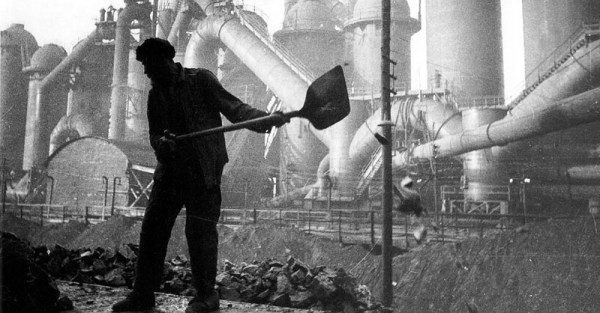
Rapid Industrialisation and the Five Year Plans
In this unit:
- Nyet to the NEP, Da to Industrialisation (The reasons for rapid industrialisation)
- Building Stalin’s Dream (The processes of rapid industrialisation)
- Assessing the Fruits of Industrialisation (successes and failures of rapid industrialisation)
06 — the rise of Stalin

Study Overview
- The state of the USSR in 1924: the power struggle after Lenin’s death, and Stalin’s victory
- Economic policies: collectivisation and the Five Year Plans
- State control: the purges and the cult of personality
- Daily life in Stalin’s USSR
- The Soviet experience of WW2, and how it shaped the USSR after the war
–
The State of the USSR in 1924 and Stalin’s Victory
In this unit:
- A Brave New World? (The state of the USSR by 1924)
- What’s got the Reds all riled up? (Issues left unresolved after Lenin’s death)
- Filling Lenin’s shoes (The contenders for Lenin’s position)
- From Arch Mediocrity to Arch Nemesis (Stalin’s victory in the power struggle)
05 — the Interbellum period pt3
Overview
- The Poisoned Peace of 1919: The Big Three, their aims, and their plans for Germany, Italy’s reaction to ToV, Terms of ToV, its goals, successes + failures
- The Good Men: Peace initiatives of the 1920s (while failing to address underlying grievances)
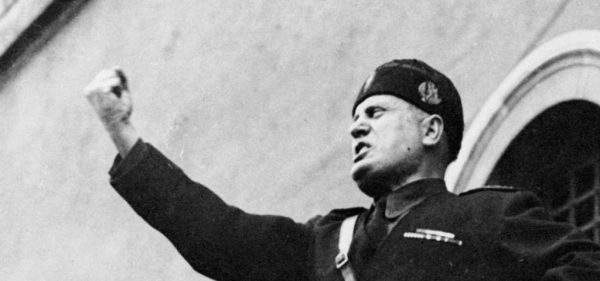
- …Doing Nothing: GD and its link to rise of totalitarianism; breakdown of collective security in 1930s
04 — the Interbellum period pt2
In this unit
- The Poisoned Peace of 1919: The Big Three, their aims, and their plans for Germany, Italy’s reaction to ToV, Terms of ToV, its goals, successes + failures
- The Good Men: Peace initiatives of the 1920s (while failing to address underlying grievances)
- …Doing Nothing: GD and its link to rise of totalitarianism; breakdown of collective security in 1930s
03 — the Interbellum period pt1
In this unit
- The Poisoned Peace of 1919: The Big Three, their aims, and their plans for Germany, Italy’s reaction to ToV, Terms of ToV, its goals, successes + failures
- The Good Men: Peace initiatives of the 1920s (while failing to address underlying grievances)
- …Doing Nothing: GD and its link to rise of totalitarianism; breakdown of collective security in 1930s
02 — the Road to WW1 pt2
In this unit
- Long term causes of WW1
- Short term causes of WW1
- The War itself
 Remember, My Lord